I. Summary
The II ISPE LATAM Pharmacoepidemiology Congress, held in Sorocaba, Brazil, gathered 201 participants from 19 countries and 7 Brazilian states, making it a landmark event for the pharmacoepidemiology community in Latin America. Organized by the University of Sorocaba (UNISO) in collaboration with the International Society for Pharmacoepidemiology (ISPE), the congress served as a regional meeting that strengthened the global evidence ecosystem through collaboration and knowledge exchange.
Over several days, participants engaged in four pre-conference courses, four scientific symposia, and a comprehensive program featuring 24 invited speakers from diverse backgrounds. The event received 129 abstract submissions, resulting in 91 poster presentations and 28 oral sessions, highlighting the region’s growing scientific production. The congress showcased a wide range of research areas, including Drug Utilization Research (30%), Pharmacovigilance (19%), among others. Its multidisciplinary participation — with presentatives from academia (78%), government (11%), and industry (3%) — emphasized the shared commitment to generate real-world evidence that informs policy and improves public health outcomes.
The congress not only fostered scientific exchange but also inspired renewed collaboration and purpose within the Latin American pharmacoepidemiology community. As participants echoed in the closing session, this event marked another step forward in building bridges to better health — and the momentum now continues toward the III ISPE LATAM Congress.
II. Diversity in the event
The II ISPE LATAM Pharmacoepidemiology Congress brought together 201 participants representing academia, government, and industry. Delegates came from 19 countries across Latin America, North America, Europe, Africa, and Oceania — highlighting the congress’s global reach and its role in advancing pharmacoepidemiological research in the region.
By academic level:
By country of origin:
This diversity reflected the congress’s ability to unite professionals and scholars from multiple regions and career stages under a shared commitment to improving the quality and use of evidence in public health.
III. Scientific and Educational Program Highlights
The congress offered four pre-conference courses and four scientific symposia, along with 24 invited speakers who shared cutting-edge insights across the diverse domains of pharmacoepidemiology.
The scientific program included 129 abstract submissions, of which:
Main thematic areas of research:
IV. Cross-Sector Collaboration and Engagement
Participants represented a broad spectrum of institutions, reinforcing the congress’s multidisciplinary nature:
This diverse participation underscored the congress’s mission to promote collaboration and evidence generation to improve population health.
V. Organizing Committee
The successful realization of the II ISPE LATAM Pharmacoepidemiology Congress was the result of the coordinated efforts and commitment of its Organizing Committee. Through their diligent planning, academic rigor, and operational excellence, the committee ensured the effective implementation of the scientific program, the smooth execution of logistical processes, and the active engagement of participants. Their work contributed decisively to maintaining the congress’s high scientific quality and to strengthening its International relevance within the field of pharmacoepidemiology.
Organizing Committee:
Scientific Committee:
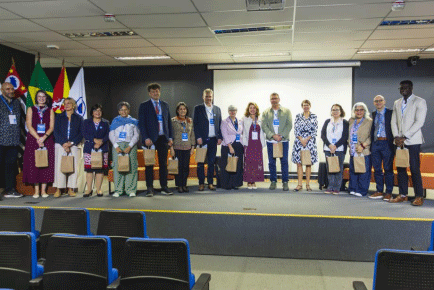
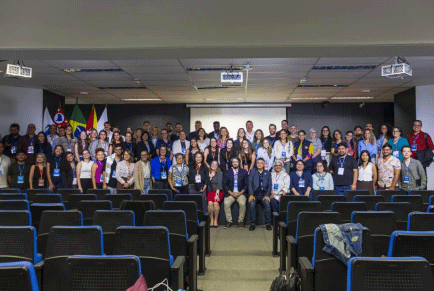
VI. Pictures